
What you need to know about the SARS-COV-2 vaccine and allergies

admin • December 28, 2020

CDC's ACIP Expands on Precautions and Contraindications for Pfizer Vaccine


New Updated Information as of January 6, 2021. https://www.cdc.gov/vaccines/covid-19/info-by-product/clinical-considerations.html


What to know:

“Severe allergic reaction (e.g., anaphylaxis) to any component of the Pfizer-BioNTech COVID-19 vaccine is a contraindication to vaccination listed in the prescribing information. Anaphylactic reactions in persons outside of clinical trials have been reported. While these reports are further investigated, CDC considers a history of severe allergic reaction (e.g., anaphylaxis) to any other vaccine or injectable therapy (e.g., intramuscular, intravenous, or subcutaneous) as a precaution but not a contraindication to vaccination. In persons who report a history of anaphylaxis to another vaccine (i.e., any other vaccine besides the Pfizer-BioNTech COVID-19 vaccine) or injectable therapy, a risk assessment should be conducted to determine type of reaction and certainty of information.

For example, whether the medication was administered by injection or another route or whether the reaction constituted a severe allergic reaction (e.g., required use of epinephrine [EpiPen®, etc.], resulted in hospitalization). These persons may still receive vaccination, but they should be counseled about the unknown risks of developing a severe allergic reaction and balance these risks against the benefits of vaccination. A history of mild allergic reaction to a vaccine or injectable therapy, such as urticaria alone without signs or symptoms of anaphylaxis, is not a contraindication or precaution to Pfizer-BioNTech COVID-19 vaccination. In addition, allergic reactions (including severe allergic reactions) not related to vaccines or injectable therapies (e.g., food, pet, venom, environmental, or latex allergies; oral medications [including the oral equivalents of injectable medications]) are not a contraindication or precaution to vaccination with Pfizer-BioNTech COVID-19 vaccine.”


Additional discussion about clinical considerations for use of the vaccine can be found here.


Allergists need to know that the CDC/ACIP/FDA and NIAID are aware of the reactions that have occurred and are actively working, along with leadership of the AAAAI, to determine the cause for these reactions, and developing protocols to help you deal with them.


Added Precautions

  1. The CDC has also issued guidelines on precautions and management of anaphylaxis to sites that administer the vaccines.
  2. Recommendations are to avoid any other vaccinations for 14 days before or after the SARS-CoV-2 vaccine, but if you have had another vaccine within that 14 day window, don’t wait to get this vaccine.
  3. Recommendations are to defer vaccination for 90 days after receiving convalescent plasma or monoclonal antibody treatment for COVID-19.


About the Moderna Vaccine:

This vaccine has been granted an EUA and approval from the CDC/ACIP.

Results from the clinical trials are very similar in efficacy and safety compared to the Pfizer vaccine. The FDA
Briefing Document can be 
found here. This document presents both interim analysis using a data cutoff of
November 7, with a median follow-up of 7 weeks post-dose one, and the final scheduled analysis from a data cutoff of November 21, with a median follow-up >2 months post-dose two. This summary covers the final scheduled analysis.


Safety:

The most common adverse reactions: injection site pain (91.6%), fatigue (68.5%), muscle pain (59.6%), joint pain (44.8%), chills (43.4%), fever (14.8%). Most of these were mild to moderate, began on day 1-2 and lasted 2 days. A small number of participants reported systemic reactions longer than 7 days, but there was no difference between vaccinated and placebo groups. Lymphadenopathy (axillary) was reported in 21.4% of vaccine recipients <65 years of age, and 12.4% in those >65 years of age, compared to 7.5% and 5.8% in placebo in those age groups respectively. Severe adverse reactions occurred in 0.2% to 9.7% of participants, and were more frequent after the second dose and less common in those 65 years of age and older. Hypersensitivity adverse events were slightly greater in the vaccine group (1.5%) compared to the placebo group (1.1%). There were no anaphylactic or severe hypersensitivity reactions. This vaccine also contains PEG in the lipid capsule. Serious adverse events were low (1.0%) without meaningful imbalances between study arms. Other than the differences in the age groups and reactogenic reactions, there were no safety differences with respect to race, ethnicity, gender or pre-existing conditions.


Efficiency:

Vaccine efficacy was 94.1% (95% CI 89.3%, 96.8%) with 11 cases of COVID-19 in the vaccine group and 185 cases in the placebo group. Unlike the interim data, the vaccine efficacy when stratified by age group was 95.6% (95% CI 90.6%, 97.9%) for participants 18 to <65 years of age and 86.4% (95% CI 61.4%, 95.5%) for participants 65 years of age or older. Other than the age group difference, there were no vaccine efficacy differences based on race, ethnicity, gender or medical comorbidities associated with high risk for severe COVID-19. Vaccine efficacy against severe COVID-19: 30 cases in the placebo group, 0 in the vaccine group. Vaccine efficacy after the first dose was 80.2% (95% CI, 55.2%, 92.5%) in the 2,000+ patients who only received one dose, but these patients were only followed for 28 days.


*Efficacy against asymptomatic infection: preliminary data only, NP swabs were collected pre-dose one and pre-dose two. Number of positive swabs pre-dose two in negative baseline participants was 14 in the vaccine group and 38 in the placebo group, suggesting that some asymptomatic infections may be prevented with just the first dose.

September 29, 2026
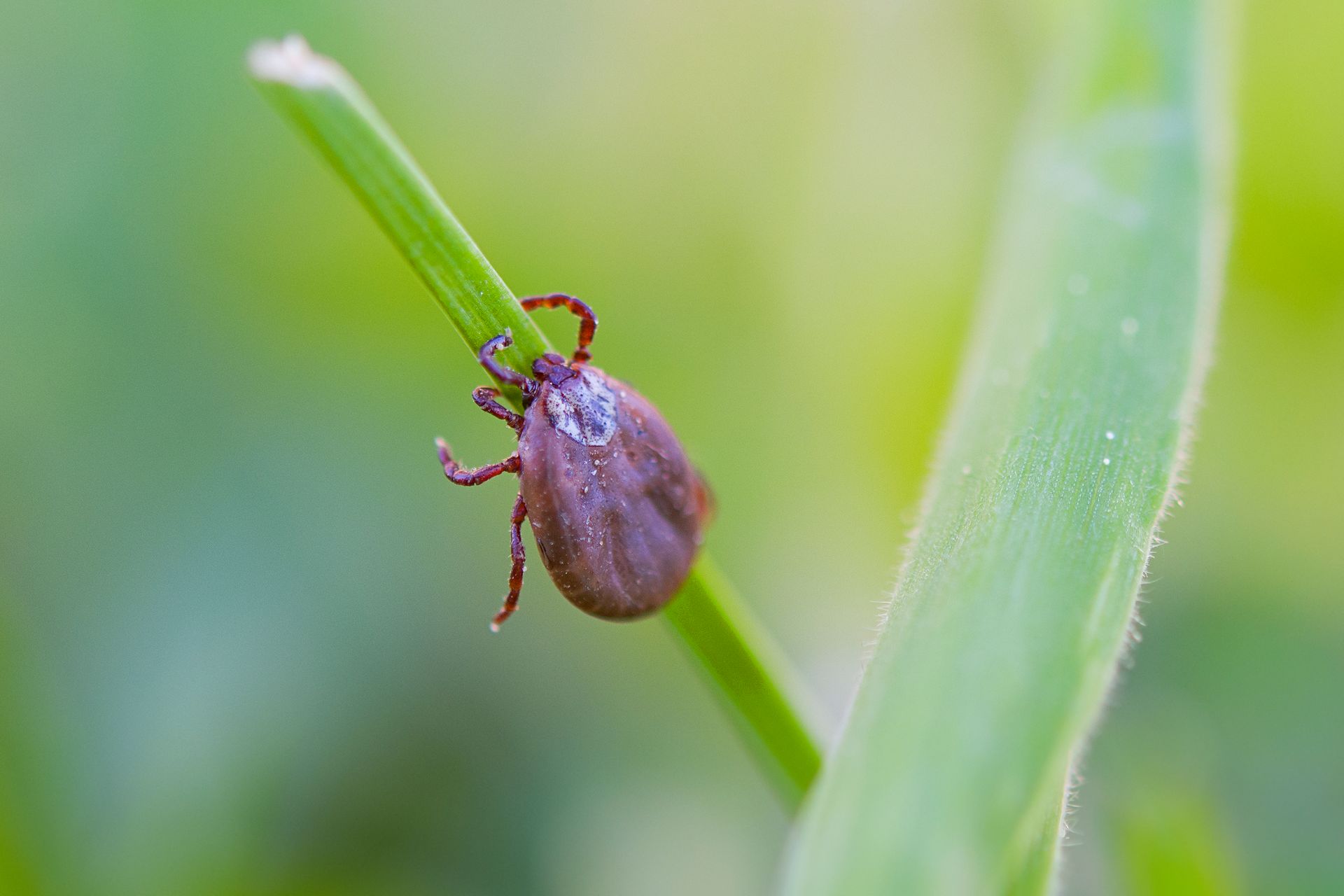
Recent stories about ticks and the illnesses they can cause have brought alpha-gal syndrome into the spotlight. The Associated Press covered the expanding range of the lone star tick and growing recognition of this unusual food allergy in June 2026. A July feature in The New Yorker explored the broader changes helping ticks thrive and the effects on people who spend time outdoors. Those reports raise worthwhile questions, but they do not mean you should give up hiking, gardening, or enjoying East Tennessee. Our message is reassuring: enjoy the outdoors, take sensible precautions, and seek help if symptoms develop. Alpha-gal can be managed, and it can resolve in some people over time. WHAT IS ALPHA-GAL SYNDROME? Alpha-gal is a sugar found in most mammals, including cows, pigs, sheep, and deer. In some people, a tick bite prompts the immune system to make allergy antibodies against it. In the United States, the lone star tick is the main tick associated with this process. Someone who develops alpha-gal syndrome may then react after eating beef, pork, lamb, venison, or other mammalian products. Poultry, fish, and eggs do not contain alpha-gal. Unlike Lyme disease or other bacterial tick-borne illnesses, alpha-gal syndrome is an allergy. Antibiotics such as doxycycline have no established role in preventing it after a bite. HOW WORRIED SHOULD YOU BE? Alpha-gal syndrome remains uncommon overall, but the risk is uneven. It is more relevant in regions with established lone star tick populations, including Tennessee. Not everyone bitten by a tick develops the syndrome, and having detectable alpha-gal antibodies does not necessarily mean someone has a food allergy. Diagnosis requires a compatible clinical history as well as appropriate testing. Fatal reactions appear exceptionally rare, but documented deaths show that the risk is real. Researchers at the University of Virginia reported a confirmed fatal reaction in 2025. There is no reliable national fatality rate, so we should avoid assigning a precise percentage. Severe reactions can occur even though death is unusual. Recognizing symptoms and having an emergency plan make a meaningful difference. WHY SYMPTOMS CAN BE CONFUSING Most food allergies cause symptoms soon after eating. Alpha-gal reactions usually begin several hours later, commonly around 2–6 hours, and sometimes later still. A reaction to dinner can therefore wake someone during the night. Symptoms can include itchy hives, swelling, abdominal cramps, nausea, vomiting, or diarrhea. Some patients have digestive symptoms without a rash. Reactions can also affect breathing or blood pressure. They may not happen after every exposure, which can make the food connection harder to recognize. Repeated unexplained symptoms several hours after mammalian foods deserve evaluation. For trouble breathing, throat swelling, faintness, or a rapidly progressing reaction involving multiple body systems, use prescribed epinephrine immediately and call 911. Antihistamines cannot replace epinephrine for anaphylaxis. DOES A DIAGNOSIS MEAN GIVING UP ALL ANIMAL PRODUCTS? No. Avoiding mammalian meat is the foundation of dietary management, but other restrictions depend on the person. Many patients tolerate dairy. Some need to avoid gelatin or hidden mammalian ingredients such as lard, tallow, broth, or meat casings. Cooking meat does not reliably make it safe. We help patients identify the restrictions that fit their reactions while protecting nutrition and quality of life. Your clinician and pharmacist can also review medications when necessary. Do not stop essential medicines simply because an ingredient might have an animal source. CAN ALPHA-GAL SYNDROME GO AWAY? Yes, it can resolve in some people, especially when further tick bites are avoided. New bites can increase sensitization and prolong or reactivate the allergy. Avoiding trigger foods helps prevent reactions, while preventing additional tick bites gives the immune response a chance to settle. Recovery varies and can take years. It is a possibility, not a promise. The American Gastroenterological Association describes follow-up testing about 6–12 months after diagnosis when a patient avoids further bites. Clinicians use repeat alpha-gal–specific IgE measurements to follow the trend alongside symptoms and exposure history. A falling or negative result alone does not prove that a food is safe. The outcome data offer hope while showing why follow-up matters. In a Mayo Clinic cohort, 22 of 40 patients with follow-up reported complete symptom resolution, but only seven reported successfully returning to a regular diet. Their average time to diet reintroduction was about 20 months. Feeling well while avoiding a trigger is different from tolerating that trigger again. These findings do not predict an individual patient's recovery. If recovery seems likely, your clinician can discuss whether a food challenge or a carefully planned reintroduction is appropriate. When dairy has been restricted, it may be reconsidered before mammalian meat. People with previous systemic reactions need specialist guidance. Do not experiment with meat on your own based on a blood-test number. Oral immunotherapy with milk or meat remains investigational. SIMPLE TICK PRECAUTIONS FOR EVERYDAY LIFE You can lower exposure while continuing to enjoy the outdoors: - Before heading out: use an EPA-registered repellent such as DEET or picaridin according to its label. Wear clothing that covers exposed skin. Treat clothing and gear with 0.5% permethrin or use pretreated items. Permethrin belongs on clothing and gear, not directly on skin. - On a walk: stay near the center of trails and avoid brushing against tall grass or dense vegetation. - After coming indoors: check your body, clothing, children, and gear for ticks. Shower within two hours. Tumble-dry dry clothing on high heat for 10 minutes, with additional time if damp. - If a tick is attached: use fine-tipped tweezers to grasp it close to the skin and pull upward with steady, even pressure. Clean the area afterward. WE’RE HERE TO HELP At Pienkowski MD, Allergy & Asthma Clinic, we help patients connect symptoms with possible triggers, interpret testing, and build a treatment and emergency plan. We can also follow your progress and help determine whether food restrictions can change over time. East Tennessee has too much to enjoy to let headlines make every outdoor outing feel frightening. Take sensible precautions, know what to watch for, and reach out when you need us.  Visit pienkowskimd.com for information about our clinics in Knoxville, Greeneville, Johnson City, Kingsport, and Bristol.
September 14, 2026
Fall brings Big Orange football to East Tennessee, but it can also bring sneezing, congestion, itchy eyes, and fatigue. If your allergies return as summer winds down, ragweed may be a major reason. For some people, the same pollen allergy also helps explain why a bite of melon or banana makes their mouth itch. WHY FALL IS ALLERGY SEASON Ragweed releases highly allergenic, windborne pollen in late summer and fall. When someone with ragweed allergy breathes it in, their immune system recognizes pollen proteins as a threat and releases chemicals, including histamine, that cause allergy symptoms. The season often begins in August and continues into autumn, usually ending with a killing frost. Peak timing varies with location and weather, and warmer regions can have a longer season. Ragweed is a leading fall pollen trigger, although other weeds and outdoor mold can contribute too. WHAT RAGWEED ALLERGY FEELS LIKE Common symptoms include repeated sneezing, a runny or stuffy nose, postnasal drainage, and itching of the nose, throat, or eyes. Eyes may also look red and water frequently. Some patient may even feel excessive fatique. Ragweed can also aggravate asthma, causing coughing, wheezing, or chest tightness. If fall brings more asthma symptoms or increased use of your rescue inhaler, your treatment plan deserves a review. Your symptom history, together with targeted skin testing for allergen-specific IgE when appropriate, can help identify the cause. WHY MELON OR BANANA CAN MAKE YOUR MOUTH ITCH Some proteins in raw foods resemble proteins in pollen. In certain people with ragweed allergy, the immune system reacts to these similar food proteins as well. This is called “pollen-food allergy syndrome,” also known as “oral allergy syndrome.” The classic ragweed-associated foods include: - Melons: watermelon, cantaloupe, and honeydew - Banana - Cucumber - Zucchini Symptoms often begin within minutes including itching or tingling of the lips, mouth, or palate, sometimes with mild localized swelling. GI symptoms such as heartburn, abdominal pain, diarrhea, and constipation can also develop in some patients. Food symptoms may become more noticeable during pollen season, but they can happen year-round. However, having ragweed allergy does not mean you will react to these foods. DO YOU NEED TO STOP EATING THESE FOODS Keep eating foods you tolerate. A cross-reactivity list is not a list of foods everyone with ragweed allergy must avoid. If a raw food repeatedly causes symptoms, stop eating that form and discuss it with your clinician. Cooking often breaks down the proteins responsible for pollen-food allergy syndrome, so cooked forms may be tolerated. Peeling and removing seeds sometimes helps but does not reliably prevent a reaction. Reactions to cooked foods, worsening symptoms, or symptoms beyond the mouth need further evaluation. Do not assume cooking makes a food safe after a serious reaction. Your clinician can help determine what to avoid and whether you need an epinephrine autoinjector. WHEN A FOOD REACTION NEEDS URGENT CARE Most pollen-food reactions stay mild and localized, but serious reactions can occur. Trouble breathing or swallowing, voice changes, faintness, or rapidly progressing throat or tongue swelling are emergency signs. Use epinephrine immediately if available and call 911. Antihistamines do not replace epinephrine for anaphylaxis. Mild lip swelling is different from swelling that affects the airway, but any progression needs prompt attention. Widespread hives or repeated vomiting after eating also require urgent assessment, especially when symptoms involve more than one part of the body. HOW TO GET AHEAD OF FALL ALLERGIES Check local pollen counts, keep home and car windows closed on high-pollen days, and shower and change clothes after prolonged outdoor exposure. Antihistamines can relieve itching and sneezing. For persistent nasal symptoms, especially congestion, a daily corticosteroid nasal spray is often the most effective single treatment. Some patients benefit from a nasal antihistamine or a combination spray. Starting an appropriate regimen before your usual season can improve control. Consider allergen immunotherapy (aka allergy shots) to can change your immune reactions to allergens over time and diminish your underlying allergic disease. Immunotherapy also treats seasonal respiratory allergy and reduces pollen-food reactions.  At Pienkowski MD, we help patients understand their allergy triggers and develop a treatment plan that fits their symptoms. Explore pienkowskimd.com for clinic information in Knoxville, Greeneville, Johnson City, Kingsport, and Bristol. Go Vols!
By admin • November 17, 2021
Anaphylaxis Risk Analysis via Skin Testing with Covid-19 Vaccines Vaccination has been found to be effective in reducing the risks of infection of severe acute respiratory syndrome coronavirus and severe coronavirus disease 2019 (COVID-19) outcomes. In the United States, Pfizer-BioNTech and Moderna COVID-19 vaccines (aka the messenger RNA [mRNA] vaccines) have been used safely for these purposes. 1 , 2 PATIENT HISTORY OF ANAPHYLAXIS First post-market reports on the use of these vaccines describe 4.7 cases of anaphylaxis per million doses of Pfizer vaccine 3 and 2.5 cases per million Moderna doses given. 4 These early reports also describe 43.8 cases of non-anaphylactic allergic reactions per million Pfizer doses given. Among individuals who experienced anaphylaxis to the Pfizer vaccine, 81% had a documented history of allergies triggered by drugs, vaccines, medical products, foods or insect stings, and 33% of these individuals experienced anaphylaxis in the past. Similarly, 90% of individuals with a history of anaphylaxis to the Moderna vaccine had a documented history of allergic reactions, and 50% of these individuals experienced anaphylaxis in the past. POLYETHYLENE GLYCOL IN mRNA VACCINES The presumed causes of allergic reactions are the different polyethylene glycols (PEGs) in the mRNA vaccines. Although PEG allergy is rare, PEG has been found to cause anaphylaxis. 5 Moreover, skin testing of PEGs of differing molecular weights has been found to be effective in confirming anaphylaxis to PEGs in patients with a documented history of anaphylaxis to PEG. 6 Nevertheless, in a cohort of 8 individuals with allergic reactions to the first dosage of an mRNA vaccine, PEG skin testing result was found to be negative. 7 VACCINE PARAMETERS The 2012 vaccine practice parameters published by the American Academy of Allergy, Asthma, and Immunology (AAAAI), recommend that individuals with suspected anaphylaxis to a particular vaccine receive skin testing with that vaccine to evaluate their risk of anaphylaxis. 8 Because the mRNA vaccines contain components other than PEG that may cause allergic reactions, the AAAAI recommendations for evaluating risk of anaphylaxis to vaccines are appropriate for the mRNA vaccines as well. In fact, Greenhawt et. al. 9 recently suggested using the 2012 parameters for patients with a previously documented allergy to one of the mRNA vaccines. 9 Many of our patients who have experienced anaphylaxis express hesitancy toward receiving vaccines, owing to fears of anaphylaxis, and continue to delay their COVID-19 vaccination. To meet this demand, we offered skin testing with mRNA vaccines for our patients who requested evaluation of their risk of anaphylaxis. INITIAL TESTING In this communication, we will describe our first 30 patients (female, n = 27; male, n = 3) who had skin testing with the mRNA vaccines. The patients were either self-referred or referred to us by other physicians. All patients had a self-reported history of anaphylaxis to a variety of substances, including foods, venoms, drugs, environmental, flu vaccine, unknown sources or the first dosage of a COVID-19 mRNA vaccine. The risks and benefits of skin testing were discussed with the patients, and consent forms were accordingly signed. The patients were probed for self-reported reactions to PEG-containing products (ie, toothpaste and colonoscopy preparation). Ages of the patients ranged from 27 to 80 years. Of the patients, 2 had a history of COVID-19 confirmed by polymerase chain reaction testing. Disclosures: The authors have no conflicts of interest to report. Funding: The authors have no funding sources to report. https://doi.org/10.1016/j.anai.2021.09.021 ABOUT THE TEST Skin testing occurred from January 22, 2021, to March 25, 2021. Remnants of the mRNA vaccines were collected on the morning of testing from the Johnson City Medical Center in coordination with the Tennessee Department of Health and used for skin testing within 6 hours from opening of the vials. The patients were advised to refrain from using antihistamines and oral glucocorticoids starting 3 days before the testing. Skin testing was performed on the ventral forearms of the patients using the protocol recommended by the AAAI with modifications to increase safety. Testing began with stan- dard histamine and normal saline applied by prick technique and by intradermal injection of 0.05 mL of each as positive and negative con- trols, respectively. Next, a 1:10 dilution with normal saline of the Pfizer or Moderna vaccine was applied by prick technique. After 20 minutes, wheal sizes were measured and recorded. Whenever the result was negative, every 20 minutes a dosage of 0.05 mL of diluted vaccine was applied intradermally, starting with a 1:1000 dilution, then a 1:100 dilution, and finally a 1:10 dilution. After recording the final wheal size, pictures of the skin tests were taken, the patients were observed for an additional 30 minutes, and they were requested to submit pictures of their skin test at 4 to 6 hours after testing to evaluate late-phase reactions and at 24 hours after testing to evaluate delayed reactions. Afterward, the patients were evaluated by direct interviews for their reaction to subsequent vaccination. RESULTS The results are presented in Table 1 . There were 5 patients who had positive immediate skin reactions at doses ranging from 1:100 to 1:10 dilution of an mRNA vaccine. Of these patients, 1 had an anaphylactic reaction during skin testing of 1:100 dilution of the Moderna vaccine. These 5 patients also had positive late-phase reactions. There were 6 patients who had late-phase reactions without immediate reactions. Unfortunately, most patients did not comply with our request to submit pictures from delayed reaction. Patients with positive immediate reactions were recommended to receive the Janssen COVID-19 vaccine. Patients with negative immediate reactions (n = 25) were recommended to receive their choice of COVID-19 vac- cine. None of the patients with negative skin test result to an mRNA vaccine who were subsequently vaccinated to COVID-19 (n = 19, con- firmed through records in the Tennessee Immunization Information System) have had any allergic reaction to vaccination. After our risk assessment, 66% of the patients went on to receive full COVID-19 immunization.
